
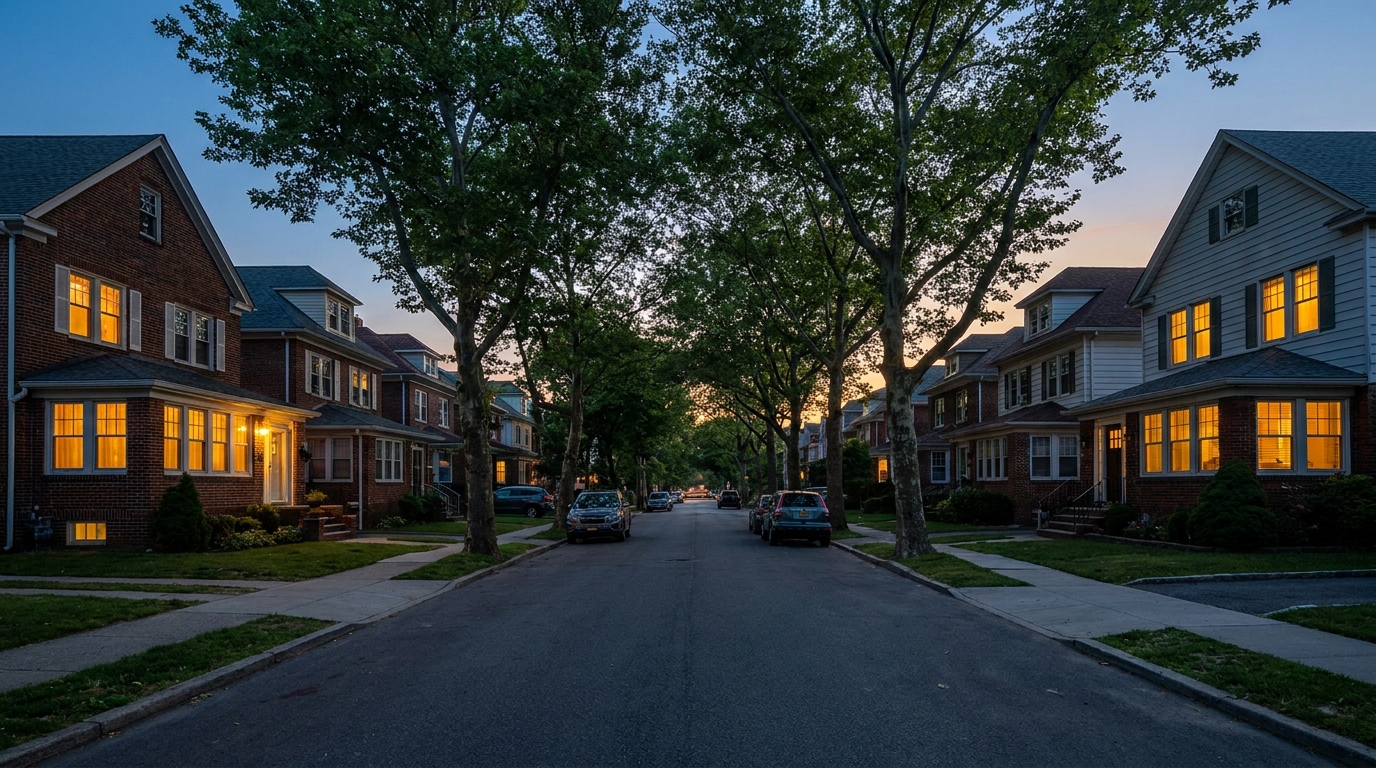
A neighbor on East 18th called Karen on a Tuesday in February because he was thinking about selling, and by Thursday three families on his block already knew. The following Sunday we’d had two informal showings and a verbal offer, while the listing itself hadn’t even gone on the MLS yet. That’s how houses move in the Midwood Orthodox community when an agent actually lives in the network, since the MLS comes later and sometimes never comes at all.
Why selling here works differently
The community here is small enough that information moves through it fast. A school-parent WhatsApp picks up news of a coming listing on Tuesday afternoon, and by Friday someone’s mother-in-law has already walked past the house twice. We’ve watched that flow operate for years, and any agent who isn’t already inside those conversations is selling to a smaller buyer pool than they realize, which usually translates into longer days on market and a price reduction at week six.
School proximity is another input most outside agents underweight. A house seven minutes’ walk from a sought-after yeshiva closes at a measurable premium over an identical house fifteen minutes away, since school-aged families don’t want their kids walking longer than they have to. Multi-generational thinking shapes how buyers read a home as well, because the buyer is asking where the grandparents might land if they need to move in, whether the basement could become a separate apartment for a married child later on, and whether the lot has the depth to extend the kitchen in five years. Square footage tells you one part of the story while future-flex tells you the rest of it.
The Pesach and Sukkot rule
Don’t list the two weeks before Pesach or Sukkot, because the community is in holiday mode and your DOM clock starts running with no offer activity to show for it, which leaves the listing coming back to a tired buyer pool when chol hamoed ends. Wait until the week after each holiday instead.
The strongest listing windows on the Orthodox calendar are late spring after Pesach and early fall after Sukkot, since families that toured during chol hamoed are then ready to act on decisions while the school-year transition pushes timing on top of that. We list on the calendar as much as on the comp data, because the wrong week costs you weeks.
Features observant buyers actually care about
Eruv inclusion belongs at the top of the description if it applies, since we covered the mechanics in our separate eruv guide and they show up in pricing here as well. Sukkah-friendly outdoor space is the next selling point worth surfacing, because a balcony, deck, or yard with the right setbacks for building a sukkah on Sukkot reads as a real feature even in February. Walking distance to multiple shuls and to specific yeshivas should be named in the listing rather than reduced to a generic “near schools” line, because the community knows the names and the abstraction loses information. Kitchen layout that supports kosher prep matters too, since two ovens, separate sinks, and room for two-season workflow all show up in the buyer’s checklist even when they’re not asked about. Modesty considerations on showings and listing photography also come up, and many community sellers prefer separate male and female showing windows or restrict photos of certain rooms, all of which we accommodate without making it weird.
How pricing actually works inside the community
Block-level comps are the foundation of any pricing exercise here, the same way they are anywhere in Brooklyn, but you have to layer in school-zone pricing premiums where they apply, and you have to add the eruv-included premium on top of that. Lot size and basement setup also matter more for buyers thinking about future expansion or about a married child eventually moving in. An agent who only quotes Zillow’s algorithmic estimate misses every one of those factors, while comparable closed sales need to be filtered through them rather than evaluated on square footage alone.
Karen’s pricing approach starts at the block level and then layers in the community-specific factors, after which we run the result against the actual buyer pool we know is active that month. We don’t price abstractly, because the abstract number costs you real dollars at the closing table.
Marketing into the community
Hebrew-language and English photography listings get shared into community WhatsApp groups, school-parent networks, and shul announcements as part of the same launch week the MLS listing goes live. Sunday open houses are the right call because Saturday isn’t an option, and the volume on Sundays around here is real enough that it usually produces the offer. Direct outreach to the buyer-side agents who work the community first matters more than a passive MLS post, since most Orthodox buyer-side agents work referral-first and a passive listing misses them entirely.
How we approach community listings
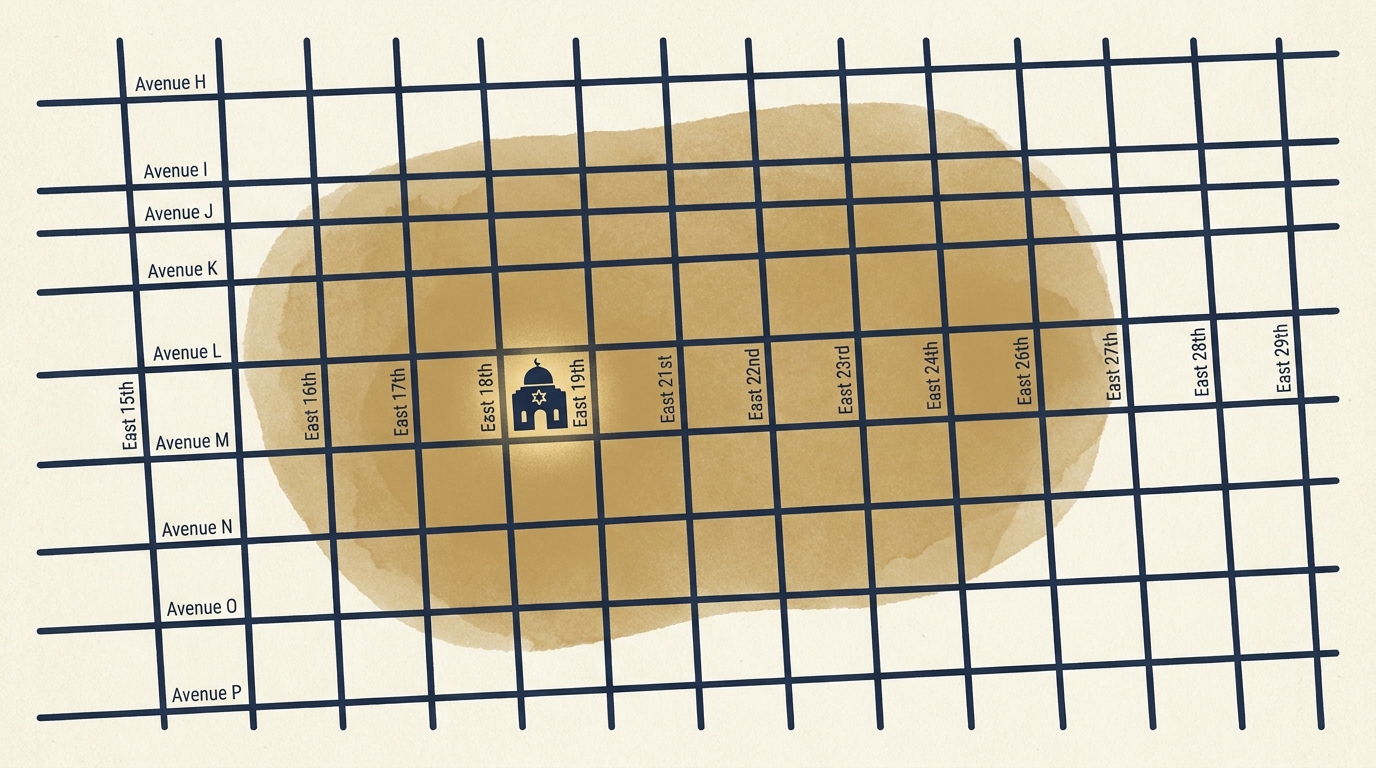
Karen leads from 1524 East 23rd, in the middle of Midwood, and she speaks Hebrew and Farsi alongside English. The team’s full language set covers English, Hebrew, Spanish, French, and Farsi, which materially widens the buyer pool when the home appeals to Sephardic, Persian, or Russian-Jewish families alongside Ashkenazi ones. Karen’s Master’s in Psychology shapes how the team handles emotionally charged decisions, since selling a long-held family home or splitting estate property among siblings or pricing through the holidays all need patience that a counseling background helps with.
Eruv-included homes in Brooklyn » · Hebrew-speaking real estate agents · Free Midwood home valuation
About The Behfar Team
Karen Behfar (lead agent, Master’s in Psychology) and Aharon Behfar lead The Behfar Team from 1524 East 23rd Street in Midwood, Brooklyn. The team focuses on sellers across Midwood and the surrounding southern Brooklyn neighborhoods, and works with clients in five languages. Recent listings have been averaging roughly 38 days on market when priced from comparable closed sales. Meet the team · Free home valuation · (347) 988-2526.
This guide is informational and reflects The Behfar Team’s observations as of May 2026. Real estate decisions should be made with a licensed New York State real estate professional and, where relevant, a tax or legal advisor. Equal Housing Opportunity.