I’ll create SEO-optimized content for “sell my home brooklyn ny” using the same methodology and POV.
How to Sell Your Home in Brooklyn NY: A Practical 2026 Guide
Selling a home in Brooklyn requires understanding a market that operates differently from most American cities. The borough’s diverse neighborhoods, cooperative ownership structures, and competitive buyer pool create unique opportunities and challenges for sellers.
Understanding Brooklyn’s Current Seller Market
Brooklyn’s real estate market in early 2026 shows typical seasonal patterns. Spring months traditionally bring increased buyer activity as families aim to close before the school year starts. Winter sales tend slower but often attract serious buyers with genuine motivation.
Average days on market vary significantly by neighborhood and price point. Well-priced homes in desirable areas like Park Slope or Brooklyn Heights might receive multiple offers within days. Properties in emerging neighborhoods or those priced optimistically may sit for months before sellers adjust expectations.
Inventory levels influence your selling timeline and potential proceeds. When fewer homes compete for buyer attention, sellers gain negotiating leverage. Conversely, increased inventory means buyers can be selective, often requesting concessions or contingencies that favor their position.
Preparing Your Brooklyn Home for Sale
First impressions determine whether buyers schedule showings after viewing online listings. Professional photography has become non-negotiable in Brooklyn’s competitive market. Quality images highlight your home’s best features and generate showing requests from qualified buyers.
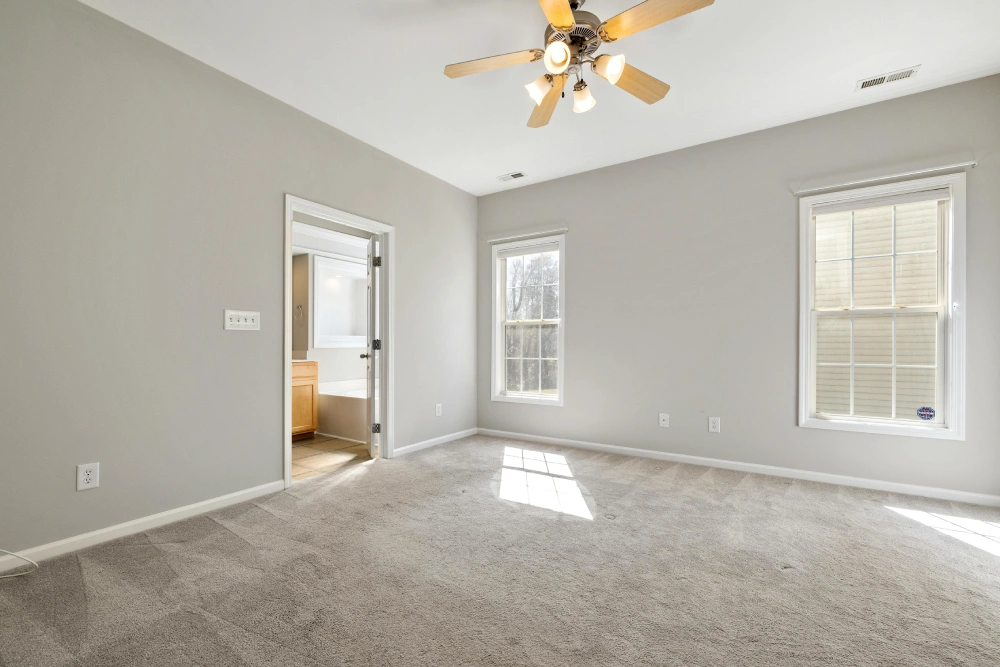
Decluttering creates the visual space buyers need to envision themselves in your home. Remove personal items, excess furniture, and anything that makes rooms feel smaller. Consider temporary storage for belongings that crowd closets or make spaces appear cramped.
Strategic updates often yield positive returns, though major renovations rarely make financial sense immediately before selling. Fresh paint in neutral colors, updated light fixtures, and minor repairs signal that the home has been maintained. Buyers notice leaky faucets, cracked tiles, and worn cabinet hardware during showings.
Brooklyn buyers particularly value updated kitchens and bathrooms. If your budget allows modest improvements, focus on these spaces. However, avoid over-improving for your neighborhood’s typical price range, as you’re unlikely to recover costs that exceed local market expectations.
Pricing Strategy That Attracts Brooklyn Buyers
Comparative market analysis forms the foundation of effective pricing. Recent sales of similar homes in your immediate area indicate what buyers currently pay for properties like yours. Your agent should analyze sold listings rather than active listings, since asking prices don’t reflect actual market values.
Brooklyn’s micro-markets mean a brownstone on one block might command different pricing than an identical building three blocks away. Proximity to subway stations, parks, and commercial corridors significantly impacts value. School catchment zones influence pricing for family-sized homes.
Pricing slightly below market value can generate multiple offers in competitive neighborhoods. This strategy works best during peak selling seasons when buyer demand exceeds inventory. The approach requires confidence in your property’s appeal and willingness to evaluate multiple offers simultaneously.
Overpricing typically extends time on market and ultimately results in lower sale prices. Buyers and their agents monitor how long homes sit unsold. Properties that linger develop negative perceptions, with buyers assuming something must be wrong if others haven’t made offers.
Navigating Co-op Sales in Brooklyn
Cooperative apartments represent a significant portion of Brooklyn’s housing stock. Selling a co-op involves board approval processes that don’t apply to condos or houses. Your buyer must submit a board package documenting their financial stability, employment history, and personal references.
Board approval timelines vary from a few weeks to several months. Some buildings interview all prospective buyers; others only review applications. This approval requirement means your transaction isn’t truly complete until the board votes to accept your buyer.
Co-op boards can reject buyers without explanation, though they cannot discriminate based on protected characteristics. Strict buildings may have minimum income requirements, debt-to-income ratios, or post-closing liquidity standards that eliminate otherwise qualified buyers from consideration.
Understanding your building’s approval standards before listing helps your agent pre-qualify potential buyers. This screening reduces time wasted on offers from people unlikely to gain board approval, protecting you from deals that collapse after weeks of processing.
Choosing Between FSBO and Agent Representation
For-sale-by-owner transactions save commission costs but require substantial time investment and market knowledge. You’ll handle pricing analysis, marketing, showing coordination, offer negotiation, and transaction management without professional guidance.
Brooklyn’s complex real estate landscape favors agent representation for most sellers. Experienced agents understand neighborhood-specific pricing nuances, maintain buyer networks, and negotiate transaction terms that protect your interests. Their market access through the REBNY system exposes your property to thousands of agents representing qualified buyers.
Commission structures typically range from 5-6% of the sale price, split between your listing agent and the buyer’s agent. This cost feels substantial but reflects the marketing investment, negotiation expertise, and transaction management that professional representation provides.
Interview multiple agents before selecting representation. Strong candidates should demonstrate neighborhood sales experience, provide recent comparable sales data, and articulate a specific marketing strategy for your property. Be cautious of agents who suggest unrealistically high listing prices to win your business.
Marketing Your Brooklyn Home Effectively
Online listings reach the vast majority of today’s buyers. Your property should appear on major platforms including StreetEasy, Zillow, and the Real Estate Board of New York database that populates agent searches. High-quality photos, detailed descriptions, and accurate floor plans generate qualified showing requests.
Open houses still serve a purpose in Brooklyn’s market, particularly for well-priced properties in desirable neighborhoods. These events create urgency as multiple potential buyers view the property simultaneously. However, individual showings to pre-qualified buyers often yield more serious offers.
Social media marketing extends your property’s reach beyond traditional listing platforms. Agents with strong Instagram or Facebook followings can showcase your home to audiences actively interested in Brooklyn real estate. Targeted advertising reaches specific demographic groups most likely to purchase in your price range and neighborhood.
Word-of-mouth remains surprisingly effective in Brooklyn’s interconnected communities. Many agents maintain buyer lists of clients actively searching in specific neighborhoods. These pre-qualified buyers sometimes make offers before properties officially hit the market.
Managing Showings and Offers
Flexible showing availability increases buyer interest. Working professionals often can only view properties during evenings or weekends. Restricting access to limited time windows may eliminate serious buyers from consideration before they see your home.
Leaving during showings allows buyers to speak candidly with their agents about your property’s features and flaws. Your presence creates awkwardness that discourages honest evaluation and discussion. Step out even if it feels inconvenient.
Multiple offer situations require careful evaluation beyond just price. Consider contingency terms, proposed closing timelines, and buyer financial strength. The highest offer isn’t always the best offer if it includes concerning contingencies or comes from marginally qualified buyers.
Your agent should verify that potential buyers have mortgage pre-approval letters from reputable lenders. These letters indicate that buyers have been preliminarily qualified based on income, assets, and credit. Pre-qualification letters carry less weight since they involve minimal verification.
Disclosure Requirements and Legal Obligations
New York State requires property condition disclosure statements for most residential sales. This form documents known defects or issues with your property’s systems, structure, and surrounding area. Honest disclosure protects you from future liability and helps buyers make informed decisions.
Lead paint disclosure applies to homes built before 1978. Federal law requires you inform buyers about known lead-based paint hazards and provide a 10-day period for lead inspection if buyers choose to exercise this right.
Brooklyn’s brownstone neighborhoods sometimes involve shared party walls or building systems with neighbors. Disclose any ongoing disputes, shared maintenance responsibilities, or easements that might affect the property’s use or value.
Attorney representation is customary in New York real estate transactions. Your attorney reviews the contract, negotiates terms, conducts title work, and manages the closing process. This legal guidance protects your interests throughout the transaction.
Timing Your Brooklyn Home Sale
Seasonal patterns influence both buyer activity and achievable prices. Spring typically brings the most active market as families aim to move during summer before school starts. Fall shows renewed activity after summer vacations end. Winter months slow considerably, though serious buyers remain active year-round.
Personal circumstances should drive timing more than attempting to perfectly time the market. Waiting months for theoretical peak selling season makes little sense if you need to relocate for work or have already purchased another property.
Market conditions shift gradually in established Brooklyn neighborhoods. Unlike volatile markets that swing dramatically, neighborhoods like Carroll Gardens or Fort Greene tend toward steady appreciation with moderate fluctuations. Trying to time the absolute market peak often means missing good selling opportunities.
Closing Process Expectations
Contract to closing typically spans 60-90 days in Brooklyn, though co-op transactions may take longer due to board approval processes. This timeline allows for mortgage processing, title work, board package preparation (if applicable), and inspection completion.
Closing costs for sellers include attorney fees, transfer taxes, broker commissions, and any negotiated buyer credits or concessions. New York City and State transfer taxes total approximately 1.4-2.075% of the sale price depending on the property value. Attorney fees typically range from $2,000-$4,000.
Final walk-throughs occur shortly before closing, allowing buyers to verify the property’s condition hasn’t changed since their offer. Ensure any agreed-upon repairs are completed and that the home is clean and empty (unless specific items were negotiated to remain).
The closing itself involves signing numerous documents transferring ownership and distributing proceeds. Your attorney will wire net proceeds to your bank account after paying off any existing mortgage and deducting closing costs.
Ready to Sell Your Brooklyn Home?
Successfully selling your Brooklyn home requires understanding local market dynamics, preparing your property to appeal to qualified buyers, pricing strategically, and navigating New York’s unique transaction requirements. Whether you own a brownstone in Bed-Stuy, a condo in Williamsburg, or a co-op in Park Slope, the right guidance makes the difference between a smooth sale and a frustrating experience.
The Behfar Team brings extensive Brooklyn real estate experience and proven sales results. Connect with agents who understand your neighborhood’s market conditions and can develop a customized strategy to sell your home efficiently and profitably.