Selling a condominium in Brooklyn involves different considerations than selling a co-op or single-family home. Condos offer ownership flexibility that attracts specific buyer segments, but they also face unique market dynamics that influence pricing, marketing, and transaction timelines.
Why Brooklyn Condos Appeal to Certain Buyers
Condominiums attract buyers who value ownership simplicity and flexibility. Unlike co-ops, condos don’t require board approval for purchases, which streamlines transactions and eliminates rejection risk. This fundamental difference often makes condos more appealing to first-time buyers, foreign investors, and anyone wanting to avoid invasive financial scrutiny.
Condo owners can typically rent their units with fewer restrictions than co-op shareholders face. Many buildings allow immediate rentals without waiting periods or board approval. This flexibility appeals to investors and buyers who might relocate for work but want to maintain their Brooklyn property.
The fee simple ownership structure means you own your unit outright plus a percentage of common areas. This differs from co-ops where you own shares in a corporation that owns the building. Banks generally prefer financing condos over co-ops, which can expand your potential buyer pool.
Brooklyn’s Condo Market Landscape in 2026
Brooklyn has seen substantial condo development over the past fifteen years, particularly in neighborhoods like Williamsburg, Downtown Brooklyn, and Park Slope. These newer buildings compete with converted industrial lofts and smaller boutique developments scattered throughout the borough.
Pricing varies dramatically based on neighborhood, building amenities, and unit condition. A one-bedroom condo in a doorman building in Brooklyn Heights might list for $850,000, while a comparable unit in Sunset Park could be priced at $550,000. Understanding your specific micro-market determines realistic pricing expectations.
Luxury condo developments along the waterfront command premium prices but also face competition from new construction that continually adds inventory. Mid-range condos in established neighborhoods often show steadier demand since fewer new developments compete in those price points.
Condo appreciation rates generally track neighborhood desirability and overall market conditions. Buildings with strong financials, well-maintained common areas, and desirable amenities tend to hold value better than those with deferred maintenance or special assessments.
Evaluating Your Condo’s Competitive Position
Your building’s condition and financial health significantly impact buyer perception and achievable pricing. Review recent financial statements to understand the reserve fund balance, monthly common charges compared to similar buildings, and any planned capital improvements that might trigger special assessments.
Buildings with robust reserve funds signal financial stability. Buyers and their attorneys scrutinize these numbers during due diligence. Inadequate reserves suggest potential future assessments that reduce your property’s appeal and negotiating position.
Amenities influence different buyer segments differently. Doorman service, fitness centers, and roof decks attract buyers willing to pay premium monthly charges for convenience and lifestyle benefits. Buildings without amenities appeal to cost-conscious buyers who prefer lower monthly carrying costs.
Your specific unit’s layout, condition, and exposure affect its market position within your building. Corner units with multiple exposures typically command higher prices than interior units with limited natural light. Renovated kitchens and bathrooms justify premium pricing compared to units with original finishes from the building’s construction.
Pricing Strategy for Brooklyn Condos
Comparative market analysis should focus on recent sales within your building first, then expand to similar buildings in your immediate area. Unit-to-unit variations matter less within the same building, making internal comparisons particularly valuable for pricing guidance.
Price per square foot serves as a useful benchmark but requires context. A 700-square-foot one-bedroom shouldn’t necessarily price at the same per-square-foot rate as a 1,200-square-foot two-bedroom in the same building. Smaller units often command higher per-square-foot prices, while larger units show lower rates but higher absolute prices.
New developments in your neighborhood can affect resale condo pricing. Brand-new construction with modern finishes and warranties attracts buyers who might otherwise consider your unit. However, resales avoid the sponsor markup and often close faster than new construction, providing competitive advantages.
Seasonal pricing adjustments make sense in Brooklyn’s market. Spring listings can justify slightly higher asking prices due to increased buyer competition. Winter listings might price more conservatively to attract the smaller pool of active buyers during slower months.
Preparing Your Condo for Maximum Appeal
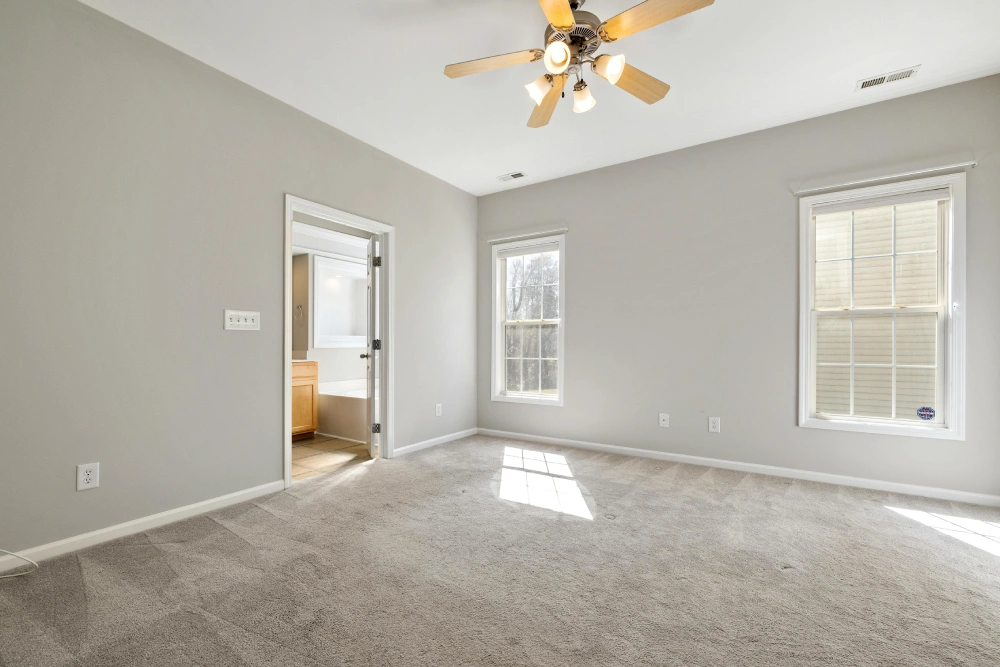
Professional staging helps buyers visualize living in your space. Even if you still occupy the unit, strategic furniture arrangement, decluttering, and neutral decor improvements can significantly impact buyer perception and offer prices.
Deep cleaning before photography and showings is non-negotiable. Pay special attention to kitchens, bathrooms, and windows. Buyers notice details like grout condition, appliance cleanliness, and window streaks during showings.
Minor updates often yield positive returns without major investment. Fresh paint in contemporary neutral colors refreshes tired-looking units. Updated cabinet hardware, modern light fixtures, and new outlet covers signal maintenance and care.
Address obvious defects before listing. That dripping kitchen faucet or loose bathroom tile will surface during buyer inspections anyway. Proactively fixing small issues prevents buyers from imagining larger hidden problems or requesting credits that exceed actual repair costs.
Consider your building’s common areas through fresh eyes. If the lobby looks dated or hallways need paint, discuss with your board or management company whether improvements are planned. Buyers form impressions before they enter your unit, and shabby common areas negatively impact perceived value.
Marketing Your Brooklyn Condo Effectively
High-quality photography distinguishes your listing from dozens of competing condos. Professional photographers understand how to capture spaces in optimal light and frame shots that highlight your unit’s best features. These images appear on every major listing platform and social media marketing.
Virtual tours and video walkthroughs have become expected rather than optional. Remote buyers often narrow their in-person showing lists based on virtual tour quality. A well-produced video tour can generate serious buyer interest from people relocating to Brooklyn from other cities.
Your listing description should emphasize features that condos offer over co-ops: no board approval, rental flexibility, easier financing. Highlight building amenities, recent capital improvements, and neighborhood conveniences that make daily life easier.
Three-dimensional floor plans help buyers understand spatial relationships that photographs can’t convey. Many listing platforms now support interactive floor plans that allow buyers to navigate through your unit virtually before scheduling showings.
Social media targeting reaches specific buyer demographics most likely to purchase condos in your price range. Your agent should leverage Instagram, Facebook, and potentially TikTok to showcase your property to audiences actively interested in Brooklyn real estate.
Understanding Condo Documentation Requirements
Your building’s offering plan and amendments form the legal foundation of condo ownership. Buyers will review these documents during due diligence to understand their rights, restrictions, and obligations as unit owners.
Financial statements for the past two years show the building’s fiscal health. Buyers scrutinize income, expenses, reserve funds, and any significant line items that might indicate problems or upcoming assessments.
Meeting minutes from the past year reveal ongoing building issues, planned improvements, or neighbor disputes. While you can’t control what appears in minutes, knowing the content helps you anticipate buyer questions or concerns.
House rules specify what owners can and cannot do within their units and common areas. Restrictions on renovations, pet policies, and noise rules all influence buyer decisions, particularly for those with specific lifestyle needs.
Some buildings require sellers to obtain estoppel certificates confirming you’re current on common charges and listing any known violations or assessments. Your closing attorney typically requests these documents, but knowing requirements early prevents delays.
Navigating Offers and Negotiations
Condo transactions typically move faster than co-op sales since no board approval is required. You can often close within 60 days of contract signing, which appeals to buyers with timing pressures.
All-cash offers eliminate financing contingencies and appraisal risks. These buyers can often close in 30 days or less, though you shouldn’t assume cash buyers will accept significant price discounts just for faster closing.
Mortgage contingencies protect buyers but extend timelines and introduce approval risk. Strong pre-approval letters from reputable lenders indicate serious buyers who’ve been preliminarily underwritten. Verify that pre-approvals specify condo purchases, as some lenders have additional requirements for condominiums.
Inspection contingencies are standard in condo sales. Buyers typically hire inspectors to evaluate their specific unit plus review building systems and common areas. Be prepared for requests to repair items or provide credits for deferred maintenance.
Common charge and tax proration get calculated at closing. Your attorney will determine exact amounts owed based on the closing date. Understanding these calculations helps you estimate net proceeds accurately.
Special Assessment Considerations
Existing special assessments must be disclosed to potential buyers. Whether you’re responsible for the full assessment or if it transfers proportionally to the buyer depends on contract negotiation.
Buyers often request that sellers pay outstanding assessment balances, particularly if assessments are substantial. This becomes a negotiation point that can affect your net proceeds significantly.
Planned but not yet levied assessments create disclosure gray areas. If your board has discussed major capital improvements that will likely require assessments but hasn’t formally voted, consult your attorney about disclosure obligations.
Buildings with no assessments but inadequate reserves might concern sophisticated buyers. Their attorneys may raise questions about deferred maintenance and potential future assessments that could affect property value.
Working with Real Estate Professionals
Condo-experienced agents understand the nuances that distinguish condo sales from co-op transactions. They know how to market ownership flexibility, identify buyer segments most attracted to condos, and price units competitively within your building and neighborhood.
Your listing agent should provide comprehensive market analysis including recent sales in your building, comparable buildings nearby, and current inventory competing for the same buyer pool. This data informs realistic pricing and marketing strategy.
Buyer’s agents represent the other side of your transaction but can be valuable sources of feedback. Good listing agents maintain professional relationships with buyer agents and gather insights about why certain buyers didn’t make offers or what improvements would increase appeal.
Real estate attorneys handle contract negotiation, due diligence coordination, and closing logistics. Choose attorneys experienced with Brooklyn condo transactions who understand building-specific documentation requirements and common negotiation issues.
Timeline Expectations for Condo Sales
Market time varies based on pricing, condition, and season. Well-priced condos in desirable buildings might receive offers within days or weeks. Overpriced units or those in less desirable buildings can sit for months before sellers adjust expectations.
Contract to closing typically spans 60-75 days for financed purchases, less for all-cash buyers. This timeline accommodates mortgage processing, title work, building document review, and inspection completion.
Your ongoing obligations continue until closing. Keep paying common charges, utilities, and property taxes on time. Maintain insurance coverage and comply with building rules throughout the transaction period.
Plan for final walk-throughs scheduled within 24-48 hours of closing. Buyers verify that the unit’s condition matches the contract terms and that any agreed repairs have been completed satisfactorily.
Tax Implications of Selling Your Brooklyn Condo
Capital gains taxes may apply depending on how long you’ve owned the property and whether it was your primary residence. The IRS allows up to $250,000 in capital gains exclusion for single filers and $500,000 for married couples filing jointly if you’ve lived in the property as your primary residence for at least two of the past five years.
New York State and City transfer taxes total approximately 1.4% to 2.075% of the sale price depending on the property value. Sales over $1 million face higher transfer tax rates. These costs get deducted from your proceeds at closing.
Consult with tax professionals about your specific situation, particularly if you’ve used the property as a rental or if you’re selling at a significant gain. Tax planning before closing can sometimes reduce your overall tax burden through proper timing or documentation.
Common Obstacles in Condo Sales
Appraisal gaps occur when properties don’t appraise at the contract price. This happens more often in hot markets where bidding wars push prices above recent comparable sales. Buyers may request price reductions or walk away if financing won’t cover the agreed purchase price.
Building issues discovered during buyer due diligence can derail transactions. Significant deferred maintenance, litigation, or financial problems revealed in building documents sometimes cause buyers to withdraw offers or renegotiate terms.
Low buyer traffic suggests pricing problems or marketing deficiencies. If you’re not getting showings within the first few weeks, evaluate whether your price aligns with market conditions and whether your agent is marketing effectively across all channels.
Financing denials can collapse deals even with pre-approved buyers. Job changes, new debts, or credit issues that emerge during underwriting sometimes prevent final mortgage approval. This risk highlights the value of all-cash offers or buyers with substantial down payments.
Maximizing Your Net Proceeds
Commission negotiation is possible but consider market norms and what competing agents offer. Standard Brooklyn commissions range from 5-6% of sale price. Lower commissions might mean reduced marketing investment or less motivated buyer’s agents.
Seller concessions for closing costs or repairs reduce your net proceeds. Evaluate requests carefully and counter when appropriate rather than automatically agreeing to buyer demands.
Timing your sale to avoid special assessments or benefit from planned building improvements can affect your net proceeds. If a major lobby renovation will be completed in three months, waiting might justify higher pricing.
Understanding your break-even number helps evaluate offers objectively. Calculate your mortgage payoff, closing costs, commissions, and moving expenses to know the minimum acceptable offer that makes financial sense.
Ready to Sell Your Brooklyn Condo?
Successfully selling your Brooklyn condominium requires understanding what makes condos attractive to buyers, positioning your unit competitively within your building and neighborhood, and navigating the transaction process efficiently. Whether you own in a luxury waterfront tower, a boutique development, or a converted loft building, strategic preparation and expert guidance maximize both your sale price and your net proceeds.
The Behfar Team specializes in Brooklyn condo sales and understands the unique advantages condominiums offer in today’s market. Connect with experienced agents who can evaluate your property’s competitive position and execute a customized marketing strategy that attracts qualified buyers.